FLUX.1 Dev (GGUF) by Black Forest Labs is a 12B parameter rectified-flow architecture model designed for text-to-image generation. This model excels in creating high-quality, detailed images from textual descriptions, making it a powerful tool for artists, designers, and content creators who need to visualize complex ideas quickly. The rectified-flow architecture ensures that the generated images maintain a high level of coherence and aesthetic quality, often outperforming models of similar size in terms of visual fidelity and creativity.
In its size class, FLUX.1 Dev holds its own, offering a balance between performance and resource efficiency. While it requires a substantial 14 GB of VRAM, which might be a limiting factor for some users, it delivers results that justify the hardware investment. Compared to other 12B parameter models, it punches above its weight in terms of image quality and consistency, making it a preferred choice for those who prioritize output quality over computational efficiency. Ideal users include professionals with access to high-end GPUs, such as the NVIDIA RTX 3080 or higher, who are looking to generate high-resolution, visually stunning images for commercial or personal projects. Despite its non-commercial license, the model's capabilities make it a valuable asset for creative exploration and prototyping.
| Quantization | Bits | File Size | VRAM Needed | RAM Needed | Quality |
|---|---|---|---|---|---|
| Q5_0 | 5 | 12 GB | 14 GB | 18 GB | 100% |
How to run FLUX.1 Dev (GGUF)
Pick a runtime — copy & paste. Commands are pre-filled with this model’s repo.
Official Hugging Face pipeline. Best quality & sampler control.
🤗 Diffusers home →- 1
Install
pip install diffusers transformers accelerate torch - 2
Run
from diffusers import DiffusionPipeline pipe = DiffusionPipeline.from_pretrained("black-forest-labs/FLUX.1-dev").to("cuda") img = pipe("a futuristic city").images[0]Pipeline class auto-detects (StableDiffusion, FluxPipeline, etc.).
Community benchmarks
Real seconds-per-image reports from people running FLUX.1 Dev (GGUF) on actual hardware.
| GPU | Measured s/img | Reports | Typical setup |
|---|---|---|---|
| RTX 4090 | 18.4 | 1 | Q8 · ComfyUI · Linux |
Try It — Diffusion Generation Demo
Click "Generate" to watch how Flux.1 creates an image from noise. Real outputs from RunThisModel.com.

"A cozy wooden cabin in snowy mountains at golden hour sunset"

"A friendly humanoid robot reading a book in a library"

"Gourmet sushi platter, professional food photography"

"Woman scientist in a modern lab, natural lighting"
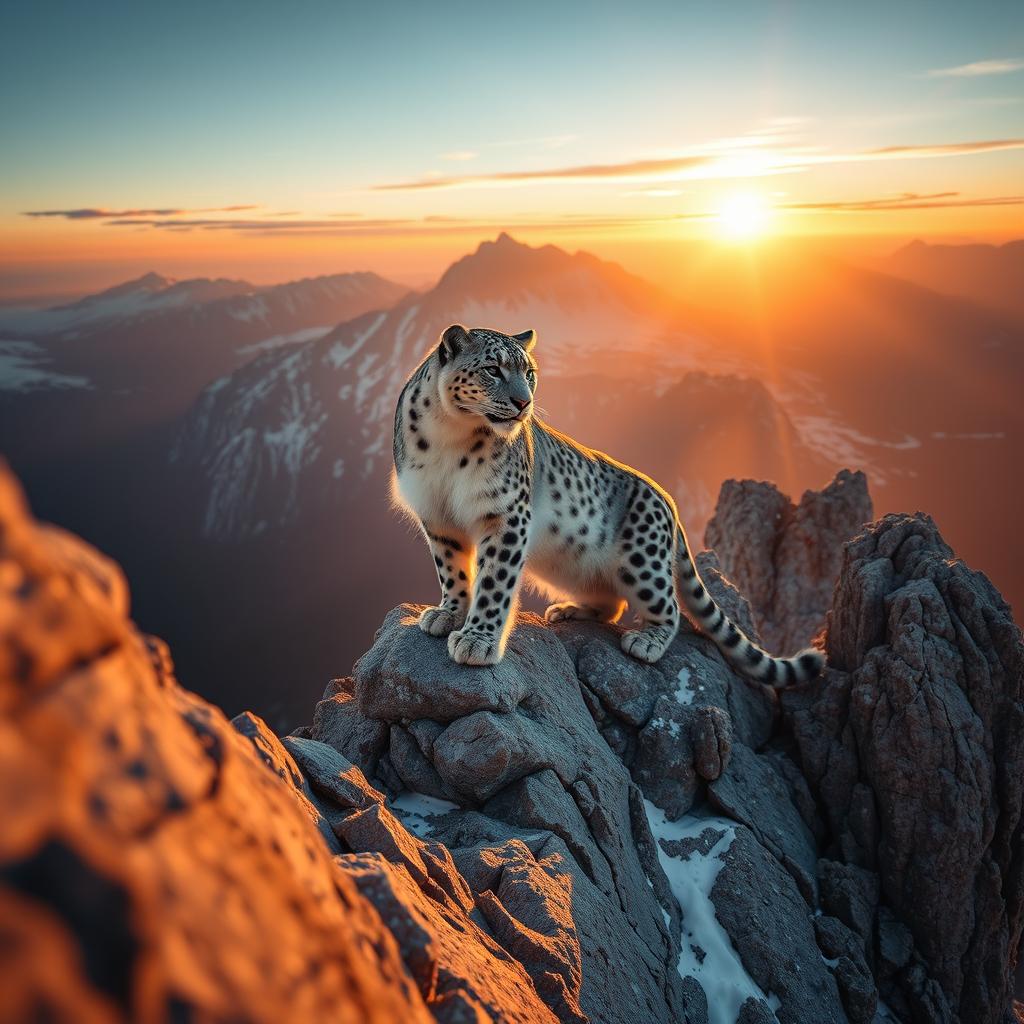
"Snow leopard on mountain peak at dawn, golden rim light"
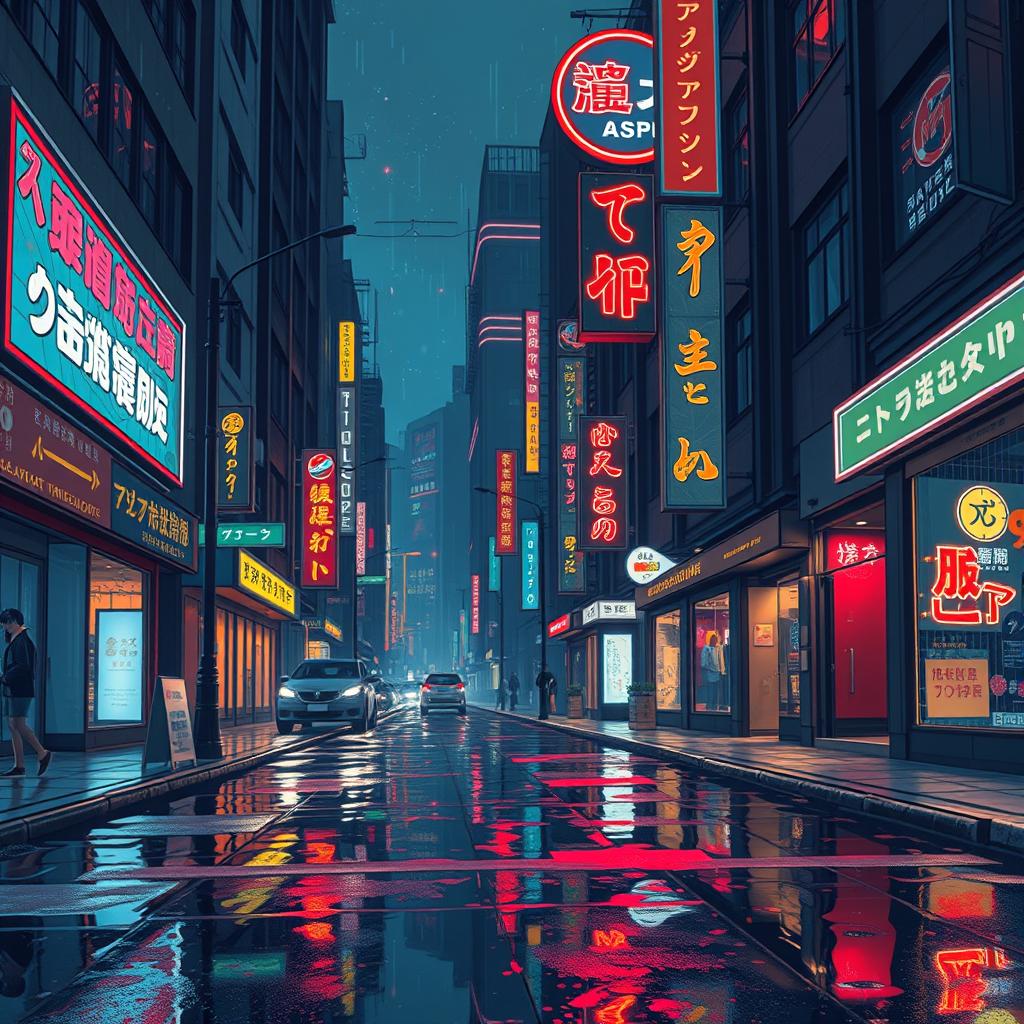
"Cyberpunk city at night, neon signs, rain reflections"
Animation simulates the diffusion denoising process at recorded generation speed. Actual generation requires GPU hardware or cloud service.
how much VRAM do I need to run FLUX.1 Dev (GGUF)?
FLUX.1 Dev (GGUF) requires 14 GB VRAM minimum with Q5_0 quantization. For full precision you need 14 GB.
which quant should I pick?
Q4_K_M is the best quality/VRAM balance — ~92% of FP16 quality at ~25% the footprint. Q8_0 is near-lossless if you have the headroom.
What GPU do I need to run FLUX.1 Dev (GGUF)?
To run FLUX.1 Dev (GGUF), you need a GPU with at least 14.0 GB of VRAM. The model is optimized for high-end GPUs to handle its 12B parameters efficiently.
Is FLUX.1 Dev (GGUF) good for coding?
FLUX.1 Dev (GGUF) is primarily designed for image generation and may not be the best choice for coding tasks. For coding, consider models specifically trained on code datasets.
FLUX.1 Dev (GGUF) vs Llama 3.1 8B?
FLUX.1 Dev (GGUF) has 12B parameters and is optimized for high-quality image generation, while Llama 3.1 8B is smaller and more versatile, suitable for a wider range of tasks including text generation.
Can I run FLUX.1 Dev (GGUF) on a Mac?
Yes, you can run FLUX.1 Dev (GGUF) on a Mac, but it requires a Mac with at least 24GB of RAM and a compatible GPU with 14.0 GB of VRAM.
How much VRAM does FLUX.1 Dev (GGUF) need?
FLUX.1 Dev (GGUF) requires 14.0 GB of VRAM, regardless of the quantization level used.
Is FLUX.1 Dev (GGUF) censored?
FLUX.1 Dev (GGUF) is not inherently censored, but its output can be controlled or filtered based on the application and settings used.
Is FLUX.1 Dev (GGUF) commercial-use allowed?
No, FLUX.1 Dev (GGUF) is licensed under the flux-1-dev-non-commercial license, which restricts its use to non-commercial purposes only.
FLUX.1 Dev (GGUF) context length?
The context length for FLUX.1 Dev (GGUF) is currently unknown. Check the official documentation or community forums for updates.
Does FLUX.1 Dev (GGUF) support function calling?
FLUX.1 Dev (GGUF) does not support function calling as it is primarily an image generation model and not designed for interactive or conversational tasks.
FLUX.1 Dev (GGUF) quantization options?
FLUX.1 Dev (GGUF) supports quantization to reduce memory usage, but the exact quantization options and their impact on performance are not specified in the documentation.
Can FLUX.1 Dev (GGUF) run on CPU?
While FLUX.1 Dev (GGUF) can technically run on a CPU, it is highly recommended to use a GPU due to the model's large size and computational demands.
FLUX.1 Dev (GGUF) fine-tuning?
FLUX.1 Dev (GGUF) can be fine-tuned for specific tasks, but this requires significant computational resources and expertise in training deep learning models.
FLUX.1 Dev (GGUF) system requirements?
To run FLUX.1 Dev (GGUF), you need a system with at least 24GB of RAM, a GPU with 14.0 GB of VRAM, and a powerful CPU to handle the model's computational load.
FLUX.1 Dev (GGUF) performance benchmark?
Performance benchmarks for FLUX.1 Dev (GGUF) are not widely available, but it is known to generate high-quality images within 20-50 steps, depending on the hardware and settings used.
FLUX.1 Dev (GGUF) for RAG?
FLUX.1 Dev (GGUF) is not designed for Retrieval-Augmented Generation (RAG) tasks, as it is primarily focused on image generation.
FLUX.1 Dev (GGUF) for agents?
FLUX.1 Dev (GGUF) is not suitable for creating agents or interactive systems, as it is specialized for image generation and lacks conversational capabilities.
FLUX.1 Dev (GGUF) for coding vs general?
FLUX.1 Dev (GGUF) is not optimized for coding or general-purpose tasks. It excels in generating high-quality images and is best used for creative visual projects.
FLUX.1 Dev (GGUF) vs ChatGPT?
FLUX.1 Dev (GGUF) is designed for image generation, while ChatGPT is a language model optimized for text-based conversations and tasks. They serve different purposes and are not directly comparable.
FLUX.1 Dev (GGUF) download size?
The download size for FLUX.1 Dev (GGUF) is not specified, but given its 12B parameters, the model file is likely to be several gigabytes in size.
Best quant for FLUX.1 Dev (GGUF)?
The best quantization option for FLUX.1 Dev (GGUF) depends on your specific needs and hardware. Experiment with different quant levels to find the balance between performance and quality that works best for you.